
Compost Use in Regenerative Soil Management Systems
Jul 02, 2026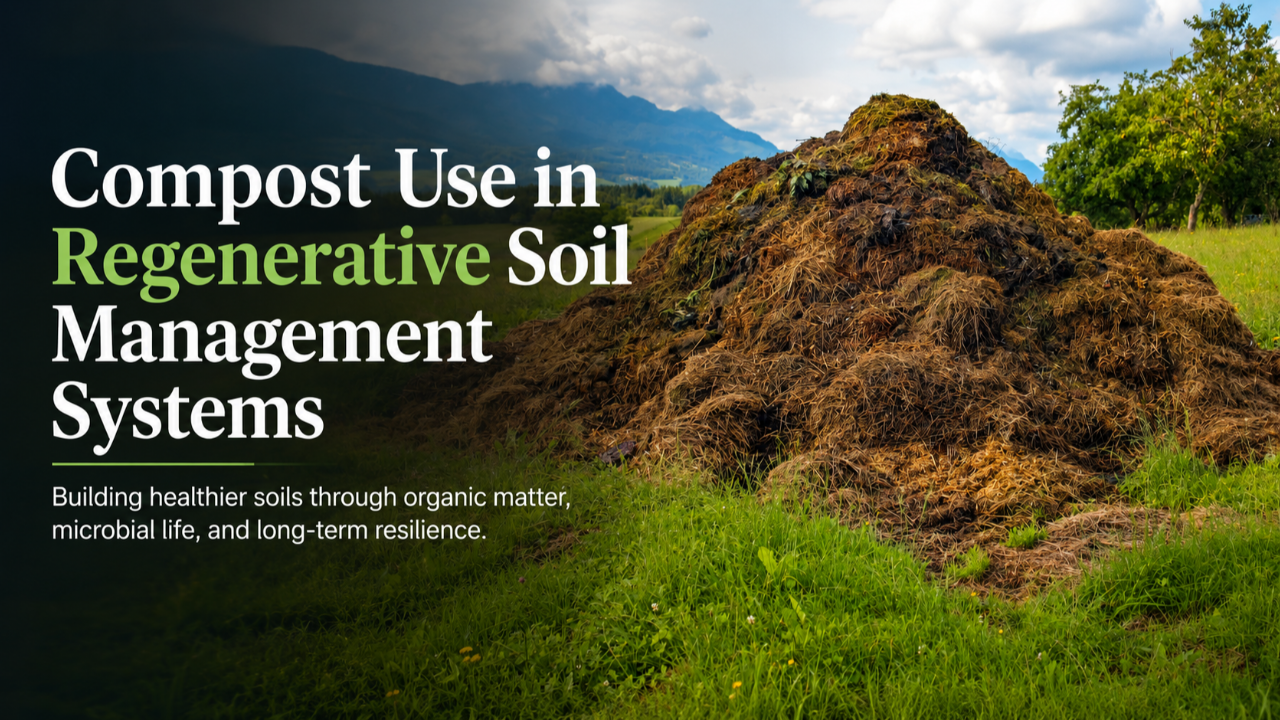
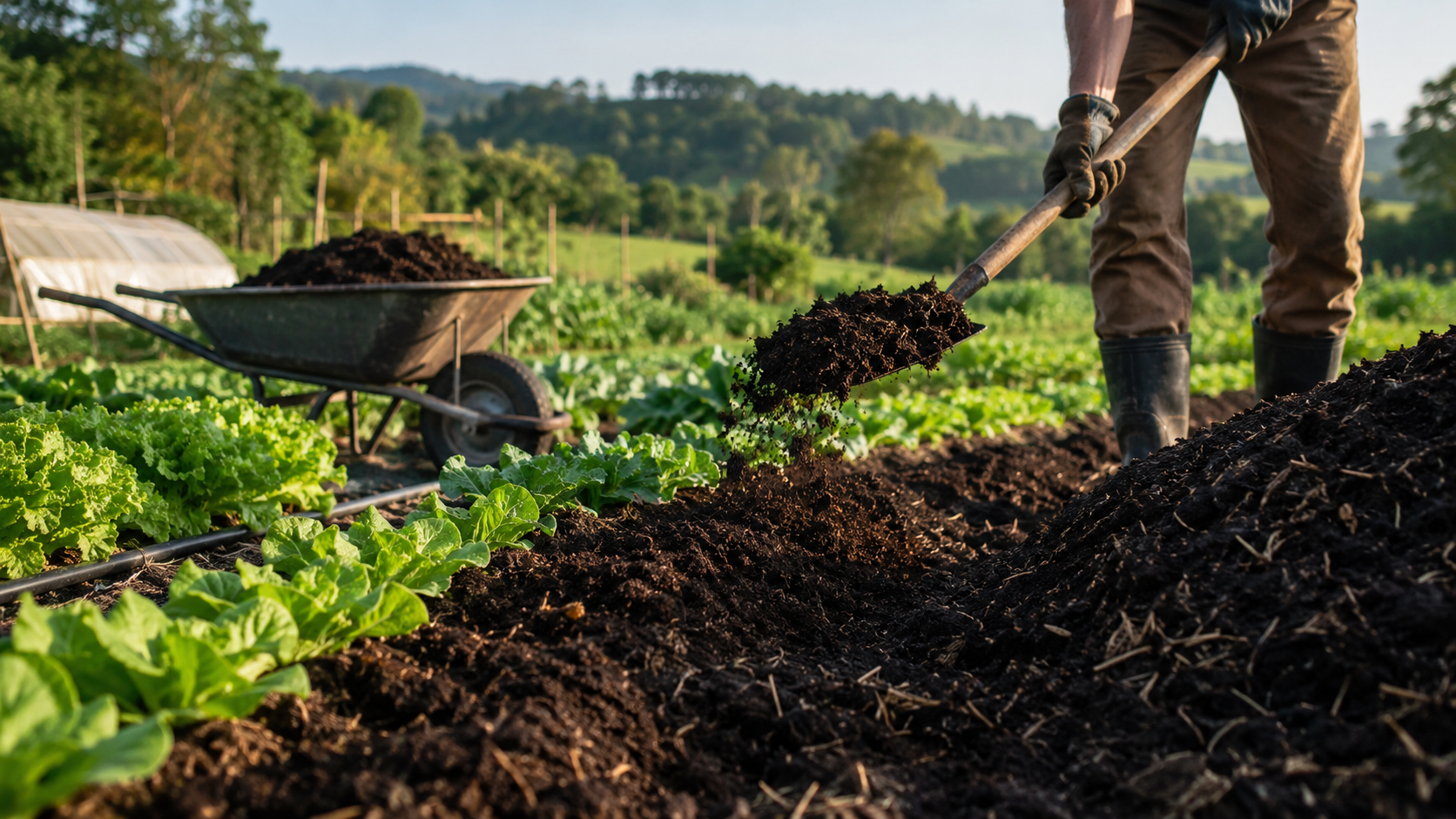
Compost plays an important role in regenerative soil management because it helps bring life back into the soil. Instead of treating compost as just another fertilizer, regenerative agriculture uses it as a biological tool that supports soil health, improves structure, increases organic matter, and strengthens long-term fertility.
In simple terms, compost helps feed the soil so the soil can better feed the plants.
Why Compost Matters in Regenerative Agriculture
Healthy soil is the foundation of productive farming. However, many agricultural soils have lost organic matter over time because of repeated tillage, erosion, overuse of chemicals, and the removal of crop residues.
As a result, soils can become compacted, dry, low in nutrients, and less biologically active. Compost helps restore these damaged soils by adding organic material, beneficial microorganisms, and slowly released nutrients.
According to the USDA Natural Resources Conservation Service, soil health depends on the soil’s ability to function as a living ecosystem. Compost supports this goal by improving the physical, chemical, and biological condition of the soil.
Restoring Organic Matter in Depleted Soils
One of the biggest benefits of compost is its ability to rebuild organic matter. Organic matter is essential because it helps soil hold nutrients, retain moisture, support microbes, and create better growing conditions for plant roots.
When compost is added to depleted soil, it improves texture and makes the soil easier for roots to explore. In addition, it helps increase the soil’s ability to hold nutrients instead of allowing them to wash away.
Over time, this creates a stronger and more productive soil system. The results may not happen immediately, but with consistent use, compost can make a major difference across several growing seasons.
Supporting Microbial Life
Soil is not just dirt. It is a living system filled with bacteria, fungi, insects, earthworms, and other organisms that help plants grow.
Compost adds beneficial microorganisms to the soil. These organisms help break down organic material, release nutrients, and support natural nutrient cycling. As microbial activity increases, the soil becomes more biologically active and better able to support healthy crops.
The Food and Agriculture Organization of the United Nations explains that soil organic matter plays a central role in improving soil productivity and supporting sustainable crop production.
Slow Nutrient Release for Better Balance
Unlike synthetic fertilizers, compost does not release nutrients all at once. Instead, it releases nutrients slowly as organic material breaks down.
This slow release is important because it gives plants a steady supply of nutrients over time. It also helps reduce nutrient leaching, runoff, and sudden nutrient spikes that may stress plants or disturb soil biology.
Because of this, compost is especially useful in regenerative systems where the goal is not just fast plant growth, but long-term soil balance.
Improving Soil Structure and Aggregation
Another major benefit of compost is improved soil structure. Healthy soil has small clumps, called aggregates, that create spaces for air, water, and roots.
Compost helps these aggregates form and remain stable. As a result, water can move into the soil more easily, roots can grow deeper, and air can circulate better underground.
This improved structure also helps reduce compaction. Therefore, compost makes soil more resilient during both wet and dry periods.
Increasing Water Retention and Drought Resistance
Water retention is one of the most valuable benefits of compost. Soils with more organic matter can hold more moisture, which helps crops survive during dry weather.
Compost works much like a sponge. It helps the soil absorb water and slowly release it to plant roots when needed. This is especially important as farmers face more unpredictable rainfall and drought conditions.
The FAO’s composting resources also highlight composting as a way to recycle nutrients, reduce waste, and return valuable organic material back to the soil.
Helping Suppress Some Soil-Borne Diseases
Healthy compost may also help reduce certain soil-borne disease problems. This happens because beneficial microorganisms in compost can compete with harmful organisms and help create a more balanced soil environment.
However, compost should not be viewed as a direct disease control product. Instead, it should be seen as part of a larger soil health strategy.
The University of California Agriculture and Natural Resources notes that disease suppression from compost is often linked to microbial activity and the enrichment of beneficial microbial communities.
Compost Works Best With Other Regenerative Practices
Compost is powerful, but it works best when combined with other regenerative agriculture practices. These may include:
-
Cover cropping
-
Reduced tillage
-
Crop rotation
-
Managed grazing
-
Mulching
-
Diverse planting systems
-
Keeping living roots in the soil
Together, these practices help protect the soil, feed soil organisms, reduce erosion, and improve long-term productivity.
For example, cover crops add living roots and plant residue to the soil, while compost adds stable organic matter and microbial support. When used together, they help build a healthier and more resilient farming system.
Conclusion
Compost is much more than a fertilizer substitute. It is a soil-building tool that helps restore organic matter, support microbial life, improve soil structure, increase water retention, and stabilize nutrient availability.
Most importantly, compost helps shift soil from a depleted condition toward a living, productive, and resilient system. When used consistently as part of a regenerative soil management plan, compost can help farmers improve crop performance while also supporting long-term land health.
Regenerative agriculture is a sustainable farming approach that many farmers are adopting to protect soil, improve productivity, and support the health of the planet. To learn more about ecological solutions and regenerative practices, visit EAT Community.
References and Related Resources
-
How Soil Health Drives Sustainable Agricultural Productivity
-
Food and Agriculture Organization of the United Nations — The Importance of Soil Organic Matter
-
Food and Agriculture Organization of the United Nations — Benefits of Composting
-
University of California Agriculture and Natural Resources — Compost and Nutrient Management